Carl studied a variety of possibilities to decipher the mystery of how the statues were moved to where they stand today in the island.
BY NEHA BHATIA
PUBLISHED 5 HOURS AGO
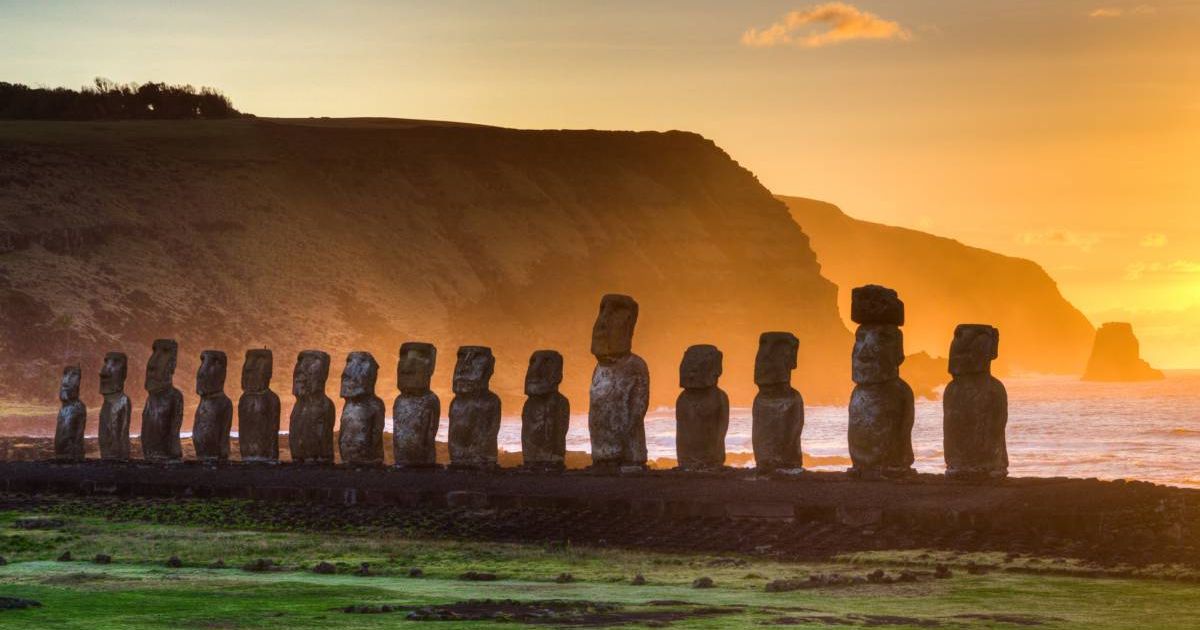
Iconic moai statues bathing in sunrise at Easter island (Representative Cover Image Source: Getty Images | Traumilichfabrik)
About 2,000 miles off the coast of Chile, Easter Island sits in the heart of South Pacific, carrying mysteries that have left archaeologists like Carl Lipo riddled. Fascinated by the “moai madness” that lingers in the island’s air, Lipo, hailing from Binghamton University, has been researching the iconic moai statues since decades. More than a thousand of these statues have been standing here for thousands of years, with their heads watching over the surrounding villages, the silent guardians of historic mountains. But the fact that the primitive people lugged along these hulking statues all the way to the mountains is a mystery no one has been able to solve yet. In a recent article published in The Conversation, Lipo documented the insights he gathered from his research and how the idea that the statues were likely connected with the island’s deforestation.
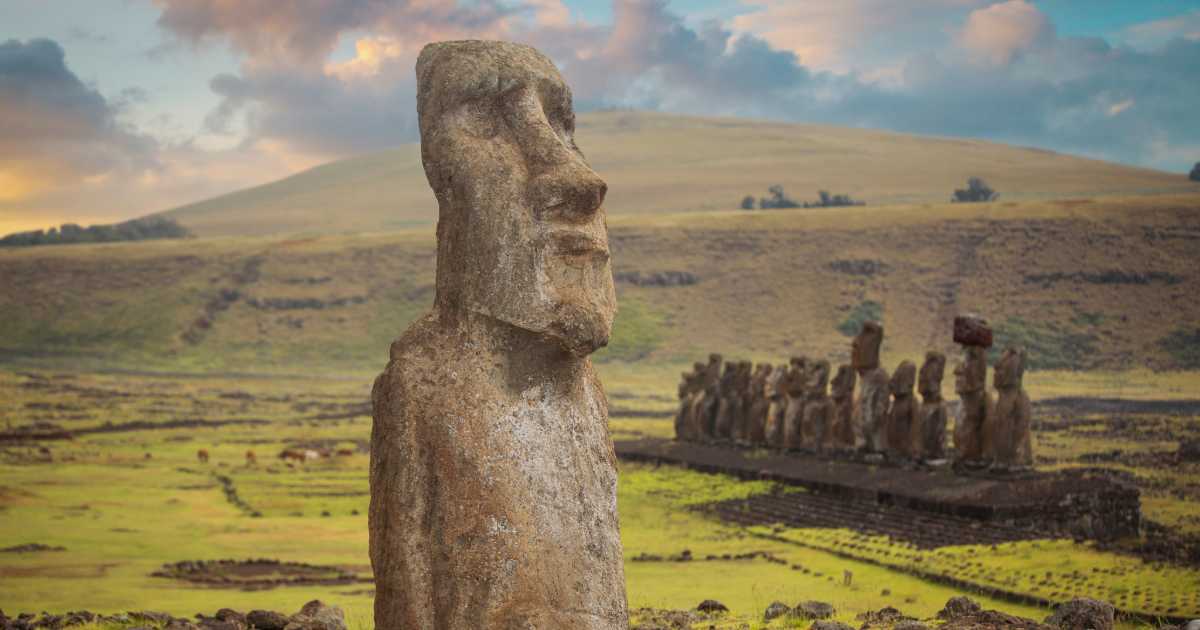
Easter Island's iconic moai statues (Representative Image Source: Getty Images | Lindrik)
At one point in time, more than 2,000 people resided on the island, per BBC. Somewhere between 1200 and 1700, the tribe carved out these breathtaking statues, whose weight ranges from 12 tons, going all the way up to 85 tons. Some statues were whipped up from volcanic ash while some were sculpted out of the base rocks of surrounding cliffs. History however failed to record how these people moved the gigantic statues without access to any advanced machinery or technology in the times gone by.
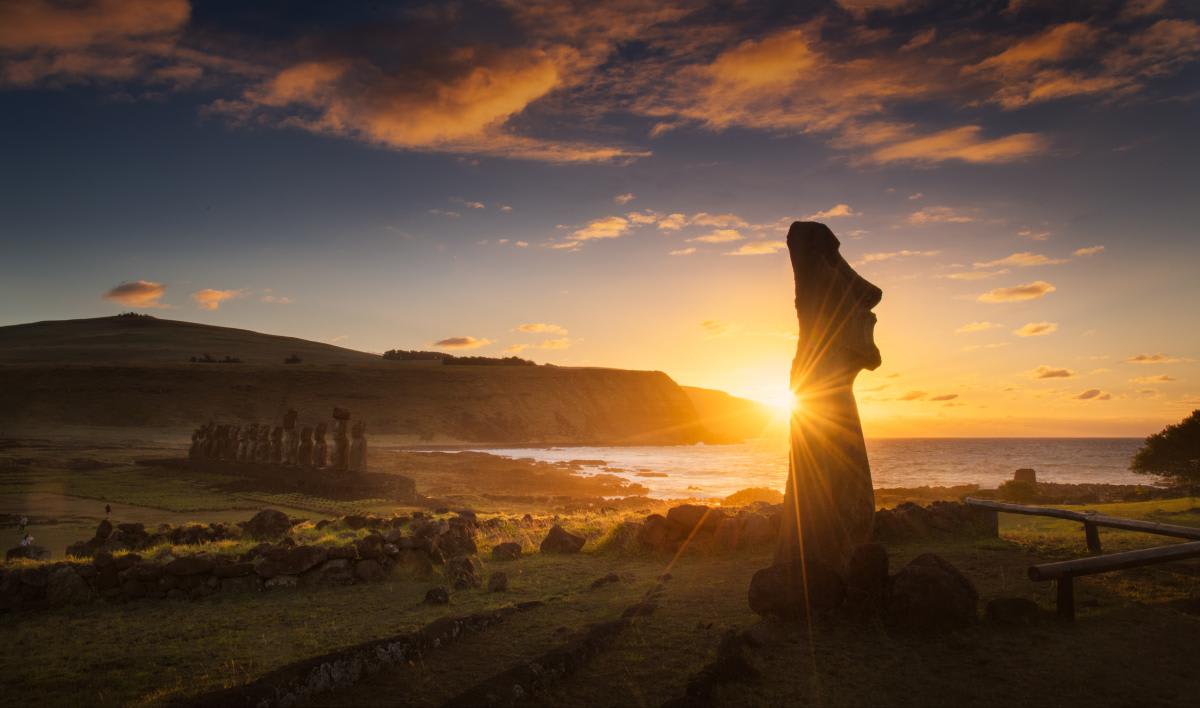
Moai stone statues in a valley in Rapa Nui island (Representative Cover Image Source: Getty Images | Piriya Photography)
This timeline of the island is punctuated with several dramatic episodes that Lipo studied to find clues. He explored a gamut of ideas. Were the statues dragged on top of tree logs or rollers, or were latched to the sledges and hauled to the meadows. Of all the possible scenarios, Lipo curated three attempts to decipher the mystery. In the first attempt, he used photographs. 1,686 photographs were captured by drones. Using these photos, he created a comprehensive 3D model of Rano Raraku, the volcanic crater where 95% of Rapa Nui’s moai were carved.
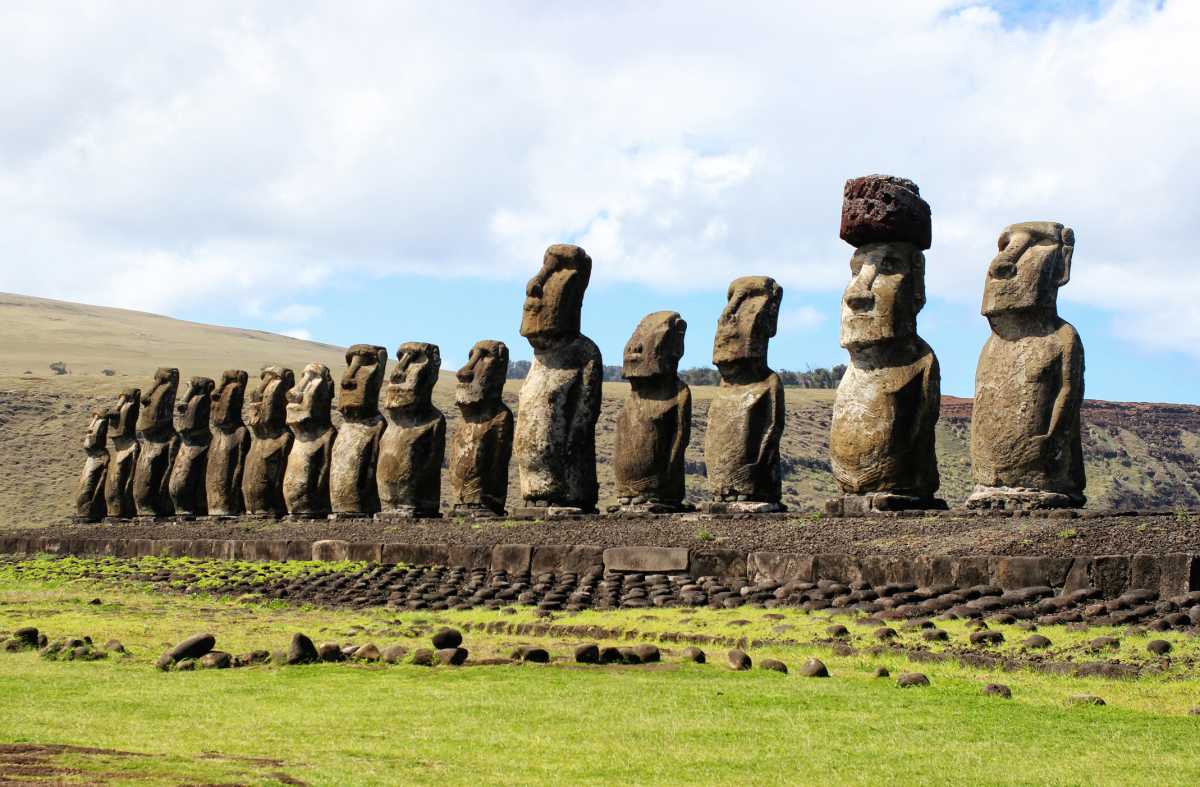
Moai stone statues in a valley in Rapa Nui island (Representative Image Source: Getty Images | Patricia Hamilton)
In the second attempt, Lipo explored the infamous “walking hypothesis.” In a study published in the Journal of Archaeological Sciences, he showed that the statues “walked” their way to the "ahus" where they are standing today. Lipo measured 62 statues abandoned along ancient roads. These measurements clearly suggested that the statues couldn’t have been moved “horizontally.” The only plausible explanation was that they were transported vertically, in other words, they “walked.”
More:
https://www.greenmatters.com/pn/the-mystery-of-the-iconic-moai-statues-was-likely-linked-to-an-episode-of-deforestation-on-easter-island

 = new reply since forum marked as read